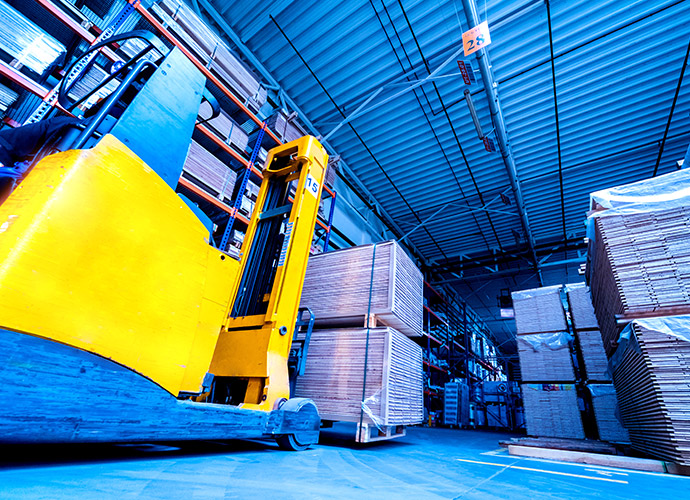
A 3PL company in St. Louis is usually what people start searching for after they have one too many ugly warehouse days in a row. Not a total disaster. Just the kind of day that leaves everyone irritated. A truck is late, product gets moved twice, somebody is trying to track down a count issue, and a simple outbound order somehow turns into a fifteen-message email chain. That is usually the point where a food business realizes it does not just need more room. It needs a setup that is steadier than the one it has now.
When a 3PL company in St. Louis is solving more than storage
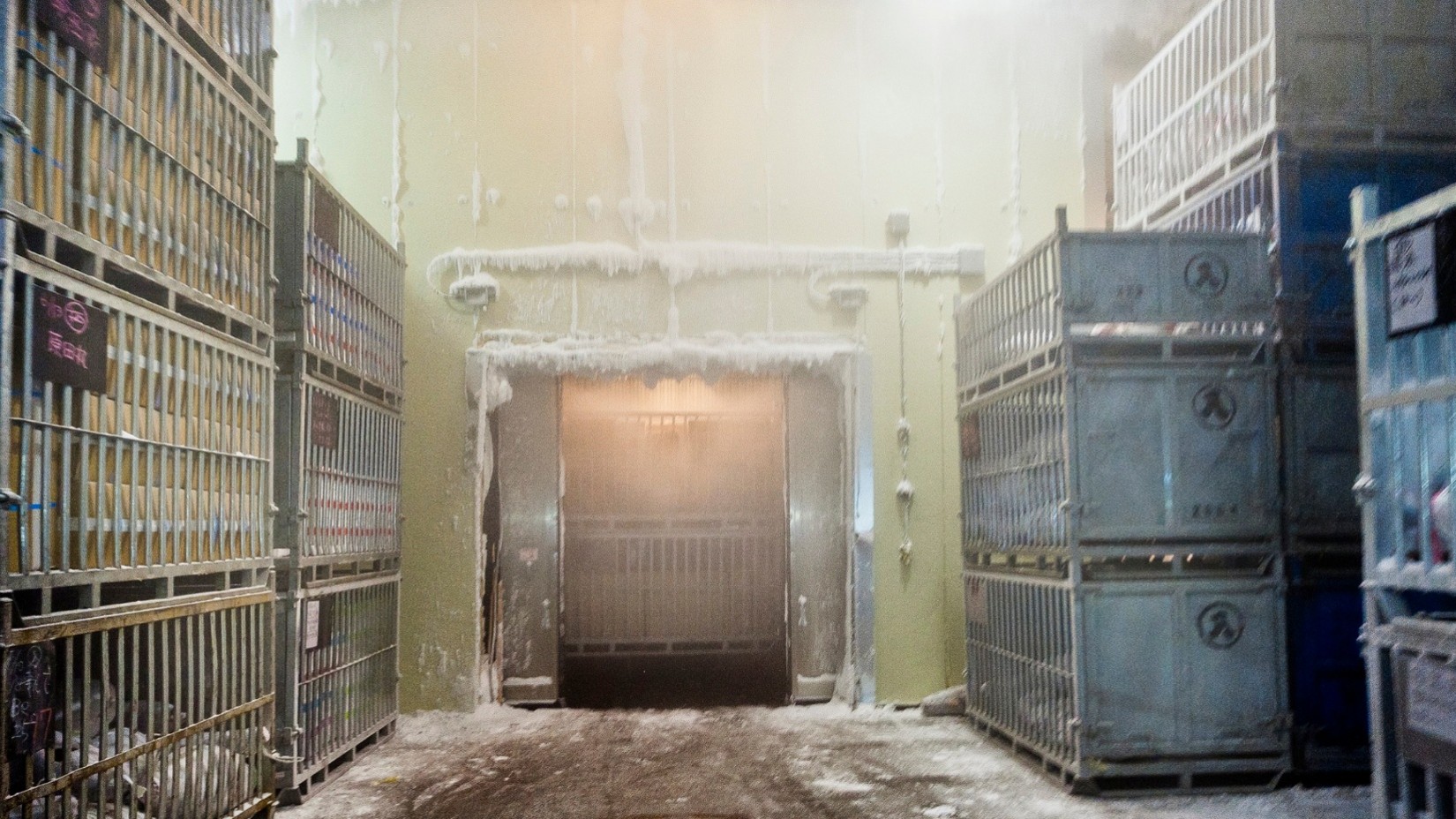
People talk about outsourcing like it is mainly a space problem. Sometimes it is. More often, it is a friction problem. The operation technically works, but only because good people are covering for weak process all day long. Inventory is there, but not always easy to trust. Orders go out, but not without extra checking. The cooler is full, but somehow the stress level keeps rising with it.vThat is why a warehouse decision should start with rhythm, not square footage. You want to know whether the provider can receive cleanly, store correctly, and ship without turning every exception into a scramble. Companies that already handle cold chain solutions in St. Louis usually think that way. They understand that cold storage is not just about maintaining temperature. It is about keeping product moving through the building without losing control of timing, visibility, or condition.
The warehouse tour is useful, but the questions matter more
A nice facility can distract people. Clean dock. Good lighting. Somebody points at racking and software screens and says all the right things. Fine. That still does not tell you what happens when a pallet shows up short, a label is wrong, or a load needs to turn around fast. The better questions are plain ones. Who checks inbound product? What gets documented? Where does questionable inventory go? How are customer-specific requirements tracked? How do they flag problems before the customer is the one calling first? That is also where services around the edges become revealing. If a provider is comfortable talking about cross docking services in St. Louis, that tells you something about how it handles urgency and flow. Cross docking is not glamorous work. It either runs clean or it gets messy fast. The same goes for value-added services in St. Louis. If the warehouse can manage relabeling, special handling, or small rework projects without acting like each request is a crisis, that usually says the floor operation has some discipline behind it.
Fit matters more than size
A bigger warehouse is not automatically a better warehouse. A lot of food businesses learn that the hard way. They pick the place with the most impressive footprint, then discover the account feels lost in the mix or the provider is built for a different kind of customer.
It is smarter to think about the shape of your own business. Are you mostly shipping pallets to a handful of accounts? Or are you juggling retail, foodservice, and smaller direct orders at once? Do your inbound loads arrive predictably, or are they coming from several suppliers with different habits and timelines? Those details matter more than a big building tour.
If your order profile is getting more detailed, a background in St. Louis ecommerce fulfillment services can actually be a strong signal, even if ecommerce is only one piece of your business. It usually means the warehouse is used to accuracy pressure, small-order complexity, and tighter communication loops. And if your supply chain is more layered, experience with import and export warehouse services in St. Louis may matter too. You are not trying to buy every service under the sun. You are trying to avoid choosing a partner you outgrow the moment your operation gets slightly more complicated.
Pay attention to how they talk about problems
This part matters more than most rate sheets. Every warehouse has problems. Every one. Trucks miss appointments. Counts come in off. Product gets damaged. The difference is what the place feels like when that happens. A strong 3PL company in St. Louis should be able to explain its exception process without sounding either defensive or theatrical. Who contacts you? How quickly? What kind of documentation do you get? Is there one person who owns the account, or does every issue bounce around until somebody finally claims it? Those answers tell you whether the operation is calm underneath or just polished on the surface. And honestly, calm matters. Food businesses already have enough unpredictability from customers, carriers, weather, and demand swings. Your warehouse should remove noise, not add a fresh layer of it.
The right choice usually feels a little boring
That is not an insult. In logistics, boring can be excellent. Product comes in. It gets checked. It gets put where it belongs. Orders go out accurately. Small issues stay small. Your team does not spend half the week chasing updates that should have been volunteered in the first place.
That is what a good 3PL company in St. Louis should really deliver. Not big claims. Not dramatic rescue stories. Just a cleaner operating week. For a growing food business, that is often the difference between feeling like growth is manageable and feeling like growth is constantly trying to outrun the back end of the company.
If the warehouse can give you that, it is probably the right kind of partner.
FAQs
How early should a food business start looking for outside warehouse help?
Usually earlier than it wants to. If your team is already working around the same storage and shipping headaches every week, that is a sign to start the conversation.
Do I need every extra service right away?
No. But it helps when the provider has some range, because your needs rarely stay frozen in place for long.
What is the biggest green flag during a warehouse visit?
Straight answers. When the team can explain receiving, issue handling, and outbound process without hiding behind jargon, that is a very good sign.
Reach out to us at Cold Solutions online, or callcall 816-429-9330.
When refrigeration goes down, everything stops. Food. Product. Business. It’s stressful. We get that.

Whether it’s a walk-in cooler acting up or a system that just won’t hold temp, we’ve seen it before. And we know how to fix it.
If something’s not working the way it should, don’t wait. Call us or send a message. We’ll take it from there.





Leave A Comment
You must be logged in to post a comment.