

Warehouse tempering services in St. Louis help frozen products move toward a required handling or processing temperature in a controlled environment rather than warming unpredictably on a dock or trailer. The process sounds straightforward, yet the details matter because product composition, case configuration, starting temperature, target range, airflow, timing, and the next operational step all influence the plan. A tempering program should define what success looks like, how product temperatures will be checked, and what happens when a pallet reaches the warehouse late or does not progress as expected. Without those decisions, tempering becomes guesswork with a cold room attached.
Tempering is usually done for a reason, such as preparing ingredients for processing, bringing products into a workable range for portioning or packaging, or meeting a customer’s receiving specification. The warehouse needs to understand that downstream activity because a target that works for one operation may create trouble for another. Product owners should provide specifications, approved ranges, timing limits, packaging details, and any special handling requirements. If the instruction is simply to make the product “less frozen,” the warehouse does not have enough information to design a repeatable workflow. Reliable temperature controlled warehousing solutions in St. Louis connect storage conditions with the customer’s broader supply chain, which helps the tempering step support production instead of becoming an isolated handoff.
How warehouse tempering services in St. Louis are planned
The warehouse may review case dimensions, pallet pattern, product density, packaging, lot size, arrival temperature, target temperature, and available dwell time. Air movement around the load can matter, so tightly wrapped pallets or unusual case configurations may behave differently from a standard setup.
A pilot or validated procedure may be useful when the product is new, the range is narrow, or the customer is scaling beyond past volumes. The resulting plan should identify placement, inspection points, monitoring method, release criteria, and documentation.
Volume variability belongs in the discussion because a process that works for two pallets may not translate directly to a full truckload arriving before a production deadline. Capacity planning should include room space, labor, instrumentation, and the time required to move product without disrupting other customers.
Product rotation and traceability should remain intact while loads move through the room. If cases are sampled, opened, rearranged, or split across locations, the warehouse needs a method for preserving lot identity and status. Customers should decide whether first-expired-first-out rules, customer-specific holds, or production-date priorities apply, since a temperature target does not override inventory controls already attached to the product.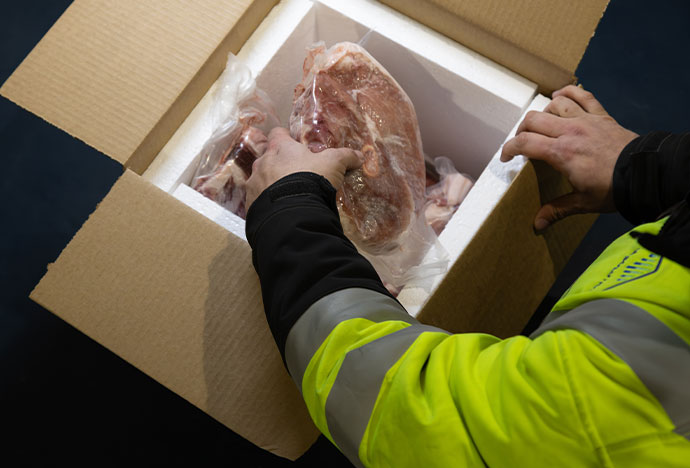
Temperature should be measured, not assumed
Elapsed time alone does not prove that product is ready. Warehouse air temperature, surface temperature, and internal product temperature describe different conditions, while packaging and pallet position can create variation within the same load. The approved procedure should state which measurement matters and where readings are taken. Professional St. Louis warehouse tempering services should also define instrument checks, recordkeeping, and escalation when readings fall outside the expected pattern. A single convenient case near the door may not represent the center of a pallet.
Documentation can include lot information, arrival condition, timestamps, room conditions, product readings, holds, and release authorization. The exact record depends on customer requirements and the nature of the goods, but responsibilities should be clear before the shipment arrives. Temperature control can be lost during staging, receiving, transfer, or outbound loading even when the tempering room performs well. Appointment timing and dock coordination should limit avoidable exposure, especially when several carriers or product types share the facility.
The cross docking services in St. Louis may be part of the flow when product moves quickly between inbound and outbound transportation, although tempering usually introduces planned dwell time. The warehouse should map each transition so labels, lots, and status remain visible throughout the process. Packaging damage, thawed areas, missing labels, or temperature exceptions should trigger a defined hold rather than an improvised decision on the dock. The product owner needs to identify who has authority to release, rework, or reject affected goods.
Order preparation can follow tempering
Some customers need full pallets tempered and shipped, while others require cases separated by destination, production line, or order. That difference changes labor planning and may affect when product can be picked without disrupting temperature consistency. The case picking services in St. Louis can support customer-specific quantities, provided inventory status and lot rules remain accurate. The warehouse management process should prevent product still on hold from being selected prematurely. When labeling, repacking, inspection, or kitting is also required, value-added services in St. Louis should be coordinated with the tempering schedule. Each additional touch needs an approved work instruction and enough controlled space to protect the product.
Delays happen because trucks arrive late, production schedules change, instruments fail, or product responds differently than the planning assumption. A useful contingency plan identifies available hold conditions, notification contacts, decision authority, and the maximum delay the operation can absorb. Good warehouse tempering services in St. Louis should include communication milestones rather than waiting until the planned ship time to report a problem. Early visibility gives the customer more options for adjusting production or transportation. The best warehouse tempering services in St. Louis are repeatable because temperatures, responsibilities, and release rules are defined. Controlled rooms matter, but disciplined execution is what turns those rooms into a dependable supply-chain process.
FAQs
Is tempering the same as thawing?
Not necessarily. Tempering usually targets a controlled condition for a specific next step, and the product may remain partially frozen. The customer’s specification and approved handling procedure should define the intended result.
How long does warehouse tempering take?
Timing depends on the product, case size, pallet pattern, starting temperature, target range, room conditions, and volume. A validated process or pilot may be needed before a dependable schedule can be promised.
What information is needed for Cold Solutions distribution?
Provide product specifications, starting and target conditions, packaging, pallet configuration, lot size, deadlines, measurement requirements, release authority, and instructions for exceptions or damaged goods.

Reach out to us at Cold Solutions online, or call 816-429-9330. When refrigeration goes down, everything stops. Food. Product. Business. It’s stressful. We get that. That’s why we keep it simple. You call.
We show up. We figure it out. No long speeches. No confusing explanations. Just straight answers and solid repairs. Whether it’s a walk-in cooler acting up or a system that just won’t hold temp, we’ve seen it before. And we know how to fix it. If something’s not working the way it should, don’t wait. Call us or send a message. We’ll take it from there.







Leave A Comment
You must be logged in to post a comment.