
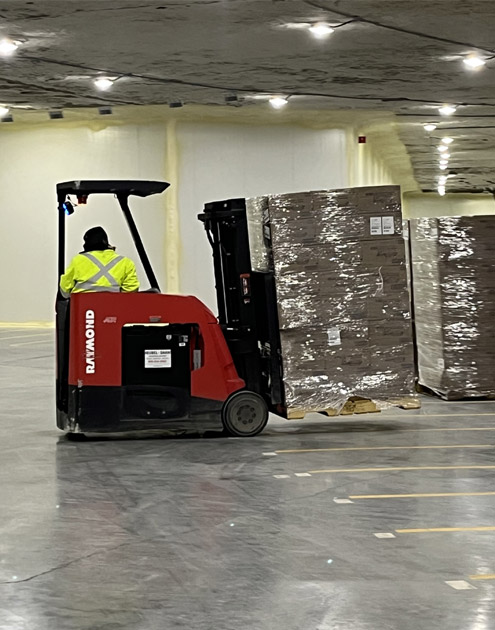
Cross docking services in St. Louis can reduce storage time when inbound product is transferred, sorted, consolidated, or redirected for outbound movement with limited dwell. The model is appealing because it can remove unnecessary put-away and retrieval, yet speed alone does not make a cross-dock successful. Transportation appointments, product identification, temperature requirements, destination rules, labor, dock capacity, and exception authority must line up within a narrow window. When those pieces are coordinated, cross-docking can simplify a distribution path; when they are not, the dock becomes an expensive waiting area filled with freight nobody is authorized to move.
Products with known destinations, accurate advance information, stable packaging, and synchronized transportation are strong candidates. Promotional allocations, supplier consolidation, multi-stop distribution, and transfers between modes may also benefit when the operation has clear sorting rules. Freight that requires lengthy quality review, uncertain disposition, major rework, or an unknown outbound plan may need storage instead. Cross-docking should not be used to hide inadequate planning or avoid creating an inventory record. Professional cold storage cross docking services in St. Louis should review product condition, volume, temperature, handling needs, and carrier timing before promising a rapid turn.
How cross docking services in St. Louis are scheduled
Inbound and outbound appointments need enough separation for unloading, verification, sorting, exception handling, pallet building, and loading. Scheduling them at the same minute creates pressure without creating capacity. Advance shipment information should identify items, quantities, lots, pallet configuration, temperatures, origin, destination, and expected arrival. The warehouse also needs outbound carrier details and a contact who can make decisions when information does not match the freight. Appointment rules should address early and late trucks. A load arriving outside its window may conflict with another customer’s reserved dock, labor, or temperature-controlled staging space, so priority cannot be decided by whichever driver asks first.
Cold product can gain heat during unloading, sorting, staging, inspection, and loading even when both trailers maintain suitable conditions. The cross-dock plan should limit exposure and identify where freight waits if the outbound vehicle is delayed. The temperature controlled warehousing solutions in St. Louis provide freezer, cooler, and other controlled environments, but the product requirements still need to be matched to the correct space. Mixed loads may require separation rather than one compromise temperature. Receiving checks should follow the agreed method, which may include trailer condition, seal, product temperature, packaging, labels, and count. Exceptions should move to a defined hold area while unaffected freight continues only when the customer’s instructions allow it.
Sorting and consolidation require traceability
Speed does not reduce the need to track item, lot, quantity, and destination. Every pallet or case should remain identifiable as freight is broken down and rebuilt. Temporary staging labels need to be clear enough that a worker joining midway through the shift can understand status.
The cold storage cross docking in St. Louis may combine product from several suppliers into customer or route loads, increasing the importance of accurate confirmation. One missing pallet can hold several outbound trailers if the consolidation rules are unclear. St. Louis cold storage cross docking workflows should also define how overages, shortages, damages, and unplanned substitutions are reported. Freight should not be reassigned simply because another destination has room. Some cross-dock loads move as full pallets, while others require cases to be sorted by store, route, or customer.
Case-level work takes more labor, scanning, space, packaging material, and verification than a straightforward pallet transfer. The case picking services in St. Louis can support detailed outbound quantities when item data, lot rules, and inventory status are available. If the warehouse receives a mixed pallet with poor labels, the planned cases-per-hour rate may no longer apply. Customers should identify pallet-building requirements, maximum height, label placement, stop sequence, and fragile products. A correctly sorted order can still fail when the outbound pallet is unstable or difficult for the receiver to unload.
Exception plans protect the dock schedule
Common disruptions include missed appointments, rejected temperatures, damaged cases, count differences, missing documents, trailer problems, and delayed release from quality review. Each exception needs a notification path and a person authorized to decide whether freight is held, stored, reworked, returned, or shipped. Storage contingency matters because outbound transportation may not recover quickly. The warehouse should know whether product can enter regular inventory and which rates, documentation, or handling rules apply if limited dwell becomes overnight storage. Good cross docking services in St. Louis communicate problems early enough for transportation planners to adjust. Waiting until the outbound driver checks in removes options and increases detention.
Useful measures include on-time arrival, unload time, exception rate, sort accuracy, dwell, on-time staging, load completion, damage, and carrier departure. Looking only at warehouse dwell can reward a quick transfer that sends the wrong product. Reliable cross-dock programs also review recurring causes. A supplier that repeatedly sends unreadable labels may need a data or packaging correction, while one route’s delays may call for a different appointment window. Reviews should include carriers and customers when the delay begins outside the warehouse, since an internal productivity change cannot correct incomplete advance data or an unrealistic pickup appointment.
The value of cross docking services in St. Louis comes from removing avoidable handling without removing control. Transportation, warehouse operations, and customer decisions have to operate as one timed process.
FAQs
Is cross-docking the same as storage?
No. Cross-docking is designed for freight to move through the facility with limited dwell, although temporary controlled staging may occur. Delays can require the product to enter storage under a separate plan.
What data should be sent before a cross-dock shipment?
Provide item, quantity, lot, pallet, temperature, origin, destination, carrier, appointment, handling, label, and exception information. Requirements vary with the operation and product.
Can cross docking services in St. Louis consolidate multiple suppliers?
Yes, when arrivals, identification, temperature conditions, destination rules, and outbound transportation are coordinated. The plan should explain what happens when one supplier is late or sends a discrepant load.

Reach out to us at Cold Solutions online, or call call 816-429-9330. When refrigeration goes down, everything stops. Food. Product. Business. It’s stressful. We get that. That’s why we keep it simple. You call.
We show up. We figure it out. No long speeches. No confusing explanations. Just straight answers and solid repairs. Whether it’s a walk-in cooler acting up or a system that just won’t hold temp, we’ve seen it before. And we know how to fix it. If something’s not working the way it should, don’t wait. Call us or send a message. We’ll take it from there.




Leave A Comment
You must be logged in to post a comment.