
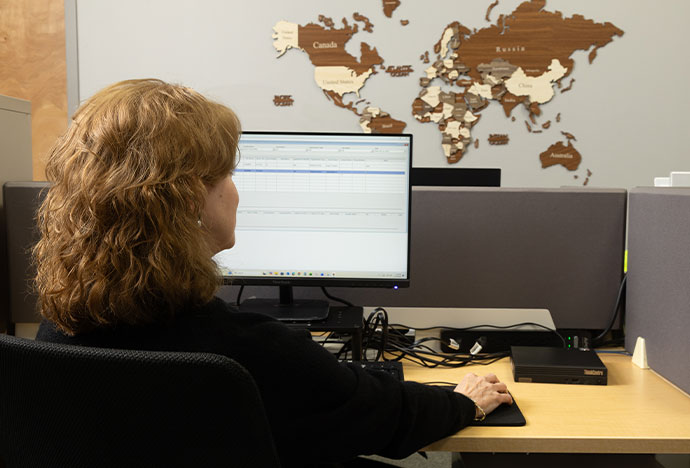
Case picking services in St. Louis allow customers to ship the quantities each store, distributor, or production site needs without moving a full pallet to every destination. The flexibility is valuable, although it creates more touches and more opportunities for lot, date, quantity, label, and temperature mistakes. Accuracy depends on clean item data, disciplined inventory status, location control, practical pick paths, verification, and exception handling that does not encourage shortcuts. A fast picker can move many cases in an hour, but the operation succeeds only when the correct product reaches the correct order in acceptable condition with traceability intact.
The warehouse needs consistent item numbers, descriptions, case dimensions, weights, barcodes, pack quantities, lot rules, date formats, and shelf-life requirements. Similar products should be distinguishable in the system and on the case, especially when flavor, size, language, or customer-specific packaging changes only one line of text. Customers should report packaging and barcode changes before new inventory arrives. When old and new cases share a code or description unexpectedly, receiving and picking teams are forced to make judgment calls under time pressure. Professional cold storage case picking services in St. Louis should include a clear item-setup process and a method for placing questionable inventory on hold until the discrepancy is resolved.
How case picking services in St. Louis preserve traceability
Every case selected should remain connected to the appropriate lot, production date, expiration date, and status. The warehouse management process needs to apply first-in-first-out, first-expired-first-out, customer allocation, or another agreed rule without relying on workers to remember exceptions. Held, damaged, recalled, or quality-review inventory must be blocked from selection. A physical tag helps, but the system status is essential because a case can be moved or the tag can fall away.
When a pallet is broken, the remaining quantity and location should be updated promptly. Delayed confirmation creates phantom inventory, while rushed manual corrections can hide the original cause of a shortage. Cycle counts focused on active pick locations can catch small discrepancies before they spread across several orders and become difficult to reconstruct. Picking creates movement between storage locations, work areas, staging zones, and outbound docks. The process should limit unnecessary exposure while giving workers enough room to build safe, accurate orders.
The temperature controlled warehousing solutions in St. Louis should align pick locations and staging rules with product requirements. A cooler item and a frozen item may belong to the same customer order, yet they should not be treated as if one environment suits both. If orders wait for another component, the warehouse needs a defined hold location. Completion status should not result in frozen cases sitting on an ambient dock simply because the trailer appointment moved.
Verification should match the risk
Barcode scanning can confirm item, lot, and location, but it does not detect every problem. Damaged packaging, unreadable dates, thawing, contamination, or incorrect labels still require observation and a clear exception path.
St. Louis cold storage case picking workflows may use scan verification, weight checks, second-person review, photographs, or customer-specific audits depending on the product and order. More verification is not always better if it adds touches without addressing a meaningful risk.

Accuracy metrics should distinguish mis-picks, shortages, damages, substitutions, and inventory discrepancies because those categories point to different fixes. One combined error rate can look acceptable while a recurring lot-selection problem remains hidden.
Case sequence affects stability. Heavy and rigid cases generally need a different position from light, crushable, or irregular packages. Mixed-temperature or multi-stop orders may also require separation that helps the receiver unload correctly. Wrap, labels, corner protection, pallet quality, and height limits should follow the agreed shipping specification. A perfectly picked order can still fail when cases shift during transport or a destination label becomes buried beneath stretch film. The cross docking services in St. Louis may connect picked product with inbound freight or other outbound orders, making staging discipline especially important. Each pallet needs visible status and destination so speed does not erase control.
Manage substitutions and shortages before the cutoff
When inventory is short, the warehouse should not select another lot, size, or item unless the customer has approved that decision. Exception authority, communication contacts, and order cutoff times should be agreed in advance. The value-added services in St. Louis may resolve certain issues through relabeling, repacking, inspection, or kitting, provided the work is authorized and documented. Rework should not become an informal way to conceal poor inventory data. Useful shortage reporting identifies the requested quantity, available quantity, affected lot, suspected reason, and time by which a decision is needed. That gives the customer a chance to adjust allocation or transportation before the order reaches the dock.
Review performance at the order level
Good case picking services in St. Louis track accuracy, completion, damage, productivity, and on-time staging without rewarding speed alone. A rushed shift may hit a cases-per-hour target while creating claims that appear days later. Customers should review patterns by item, shift, order type, and destination. Repeated errors on one nearly identical package may call for better labeling, while shortages across several items may point to late inventory confirmation. Reliable case picking services in St. Louis bring together data, physical handling, and temperature control. The process works because each case remains identifiable and protected, even after the original full pallet no longer exists.
FAQs
What information is needed to set up a case-pick item?
Provide item numbers, descriptions, barcodes, dimensions, weights, pack quantities, lot and date rules, shelf-life requirements, temperature conditions, handling limits, and customer-specific labels or allocation instructions.
How are case-picking errors measured?
Metrics may include wrong item, lot, quantity, destination, damage, shortage, and late completion. Separating error types makes the report more useful for correcting the underlying process.
Can case picking services in St. Louis handle mixed orders?
They can when item setup, temperature requirements, pallet-building rules, staging locations, and transportation plans are defined. The warehouse should explain how incompatible conditions or fragile products are separated.

Reach out to us at Cold Solutions online, or call 816-429-9330. When refrigeration goes down, everything stops. Food. Product. Business. It’s stressful. We get that. That’s why we keep it simple. You call.
We show up. We figure it out. No long speeches. No confusing explanations. Just straight answers and solid repairs. Whether it’s a walk-in cooler acting up or a system that just won’t hold temp, we’ve seen it before. And we know how to fix it. If something’s not working the way it should, don’t wait. Call us or send a message. We’ll take it from there.







Leave A Comment
You must be logged in to post a comment.