

At Cold Solutions, we view value-added warehousing as work with a specific finished result. A pallet may contain the right product yet still need approved labels, a different case configuration, an inspection, or a kit assembled for a customer order. With St. Louis warehousing we have lists labeling, repacking, inspection, and kitting among possible value-added services. When a business asks about value-added services in St. Louis, we would first define the exact task and acceptance criteria. The phrase “make it retail ready” is a goal; it is not yet a work instruction.
We Ask for the Approved Version
For a labeling project, we would need to know which product units are affected, which artwork or label revision the product owner has approved, where it belongs, and how to identify a correctly completed case. We would ask who supplies labels and who approves the first finished unit. A photograph may help, but it does not replace an instruction covering lots, quantities, placement, and the treatment of old labels. We do not decide the accuracy of a customer’s product claims or regulatory language; those approvals belong to the responsible company.
For a kit, we would ask for a bill of materials and a unique identifier for each version. If one promotional kit contains three components while another contains four, the inventory record should distinguish them. If a component runs short, completed kits must remain identifiable while unfinished units wait for an approved decision. We would want the customer to specify whether substitutions are allowed and who can authorize them. A verbal last-minute change can create a finished product that differs from the customer’s approved order.
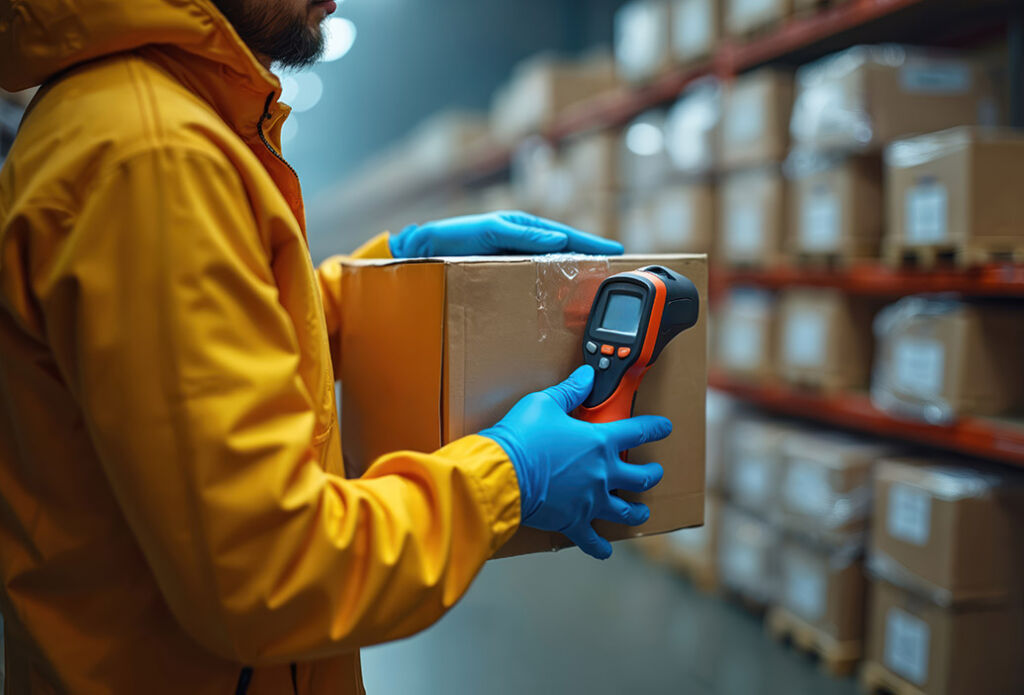
We would map each step from receipt to release: verify the incoming product, stage approved materials, complete the task, inspect the output, account for rejects or shortages, update inventory, and identify the outbound order. The exact check depends on the product and contract. Some projects may require every unit inspected; others may use an agreed sampling approach. We would not set a universal inspection threshold in an article because the product owner needs to approve the relevant control.
We would ask whether the work changes the customer’s inventory unit. A pallet of master cartons may become individual cases; loose items may become a kit with a new SKU. The customer and warehouse systems need a common way to represent both the inputs and the finished units. Without that mapping, a completed physical project can look like unexplained shrinkage in one inventory record and unexplained gains in another.
We Keep Product Requirements in the Scope
Temperature-sensitive goods introduce handling questions alongside the physical task. How long may the product remain in a work area? What environment is required while a case is opened or relabeled? How does the product return to storage or move toward shipment? We would ask the product owner for the approved limits and discuss whether a proposed workflow can meet them. We cannot infer a safe handling window from the fact that a task seems quick.
Traceability matters when cases are repacked or mixed kits are created. We would ask how the customer’s original lots or other identifiers must connect to the finished units. If a product is placed on hold later, the record should help identify what was affected. A professional review can examine the proposed work area, segregation, identifiers, sample records, and approval gates. The authorized product owner still decides whether a questionable unit can be released.
We would ask about material control too. Approved labels, inserts, cartons, and protective packaging have to be available in the correct revision and quantity. If the supplied artwork changes mid-project, we would want to stop affected work, identify what was completed under the earlier version, and get a documented new approval before continuing. A task can be performed accurately against an obsolete instruction, which is why version control matters as much as careful application.
The FDA’s sanitary transportation rule overview addresses certain food safety risks during covered road and rail transport. When finished goods leave the warehouse, we would coordinate the relevant equipment and handling information with the shipper and carrier. For the work itself, the customer’s quality and regulatory team should review the product-specific label, packaging, and release requirements. A logistics task and a product approval are separate responsibilities.
We Need to Know What Happens to a Failed Unit
Imagine a customer requests new labels for 2,000 cases and supplies approved artwork. During a sample check, one label is placed over information the customer required to remain visible. We would want the instruction to say when affected work pauses, how completed cases are identified, who approves a corrected placement, and whether earlier units need to be checked again. This is a hypothetical planning example, not a claim that such an incident occurred in our operation.
The same principle applies to missing components or damaged packaging. A unit on hold should have a clear status so it is not picked for an ordinary order. The customer needs a report that separates finished, unfinished, rejected, and awaiting-decision quantities. A vague message that the “job is mostly done” gives neither team enough information to ship confidently or reconcile inventory.
We would also ask how the completed stock moves next. It may return to storage, enter a case-picking workflow, or move to an outbound carrier. Our St. Louis cold chain overview describes related warehousing and fulfillment services, but the customer’s quote should identify the sequence and charges for the particular project. The combination of several services on a website does not automatically define a custom work order.
We Quote the Actual Work
Volume alone is not enough to price a value-added task. We would ask about the number of units touched, number of versions, packaging materials, inspection method, due date, storage needs, and downstream shipping requirements. A straightforward label application differs from a mixed kit with several components and lot-specific records. We would want a representative sample or sufficiently detailed instruction before treating a per-unit estimate as a final scope.
For a first run, we would recommend agreeing on a sample and a first-unit approval before the full batch proceeds. At closeout, the parties should reconcile quantity received, quantity completed, quantity held, materials consumed, and outbound identifiers. If an instruction changes during production, the record should show which units followed each version. That is how value-added work becomes a defined, auditable result rather than a loose request to alter inventory.
We would ask the customer to review that closeout against its original order before the next shipment. If there are units left over, they need an agreed status and storage instruction. If a retailer rejects a configuration, the parties need to know which finished lots and shipments used it. The point of these records is to make a later question answerable without guessing how the job was performed.
We would preserve the approved instruction and its revisions alongside the results. That makes a repeat order easier to scope and helps both teams recognize when a supposedly familiar job has actually changed.
Frequently Asked Questions
Can We Approve a Customer’s Product Label?
We can discuss applying approved labels within a defined scope. The product owner and its qualified advisers should approve artwork, product claims, and regulatory content before the work begins.
How Do We Keep Kit Versions Separate?
We would ask for distinct version identifiers and component lists, with appropriate staging, a first-unit check, and finished-unit records specified in the work instruction.
Can an Urgent Project Be Completed Before a Shipping Cutoff?
That depends on capacity, materials, approved instructions, product requirements, and the carrier window. We would confirm the complete plan before the customer commits to a deadline.
Reach out to us at Cold Solutions online, or call call 816-429-9330. When refrigeration goes down, everything stops. Food. Product. Business. It’s stressful. We get that. That’s why we keep it simple. You call.
We show up. We figure it out. No long speeches. No confusing explanations. Just straight answers and solid repairs. Whether it’s a walk-in cooler acting up or a system that just won’t hold temp, we’ve seen it before. And we know how to fix it. If something’s not working the way it should, don’t wait. Call us or send a message. We’ll take it from there.







Leave A Comment
You must be logged in to post a comment.