
Temperature controlled warehousing solutions in St. Louis make the biggest difference when a product has to stay moving without losing its margin along the way. For food brands, beverage companies, and ingredient suppliers, the real question usually is not whether refrigerated space exists. It is whether that warehouse can hold product correctly, turn orders fast, and solve the little operational problems that start eating into labor, shelf life, and customer satisfaction. In St. Louis, that matters because many businesses are trying to serve local retail, regional distribution, and national channels from the same footprint. A warehouse has to be consistent on an ordinary Tuesday, not just impressive on a sales call. That matters.
When temperature controlled warehousing solutions in St. Louis matter most
The need usually shows up long before a full-scale crisis. A company starts out with a simple storage need, then order patterns get messy. One customer wants mixed-SKU pallets. Another wants smaller case quantities. A retailer changes delivery windows. Suddenly the warehouse is not just holding inventory. It is shaping how well the business can respond. That is why operators start looking beyond square footage and asking better questions about process discipline, dock flow, inventory accuracy, and exception handling. That is also why site visits should focus on workflow, not just refrigeration equipment.
Strong warehouse partners know how to deal with the practical details. They understand lot control, FIFO and FEFO rotation, temperature monitoring, sanitation expectations, and the speed required when product cannot sit warm on a dock. They also know that regional businesses often need flexibility more than flashy promises. A provider offering St. Louis temperature-controlled warehousing solutions should be able to explain how product is received, checked, stored, picked, staged, and loaded without turning every answer into vague sales language.
Storage is only part of the job
A lot of companies make the mistake of judging a cold warehouse by pallet positions alone. That is only one piece of the picture. If products need conditioning before they move into or out of a controlled environment, warehouse tempering services in St. Louis can be just as important as freezer or cooler capacity. Tempering affects product handling, packaging integrity, and downstream timing. When that step is managed poorly, teams end up with delays, damaged cartons, and avoidable waste.
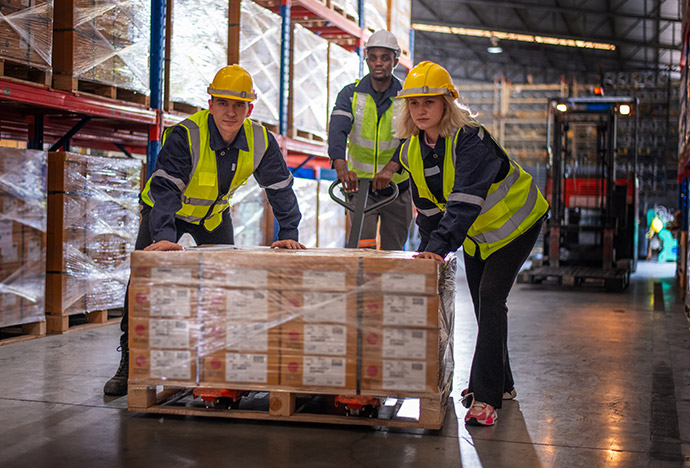
The same thing is true on the order side. Many refrigerated operations are won or lost on execution at the case level, not the pallet level. If a business serves grocers, foodservice distributors, or direct replenishment programs, case picking services in St. Louis need to be accurate and repeatable every day. A warehouse can have the right temperature zones and still create problems if picks are slow and labels are inconsistent. The warehouse may also have issues if outbound staging turns into a bottleneck during busy periods.
Look closely at dock flow and handoffs
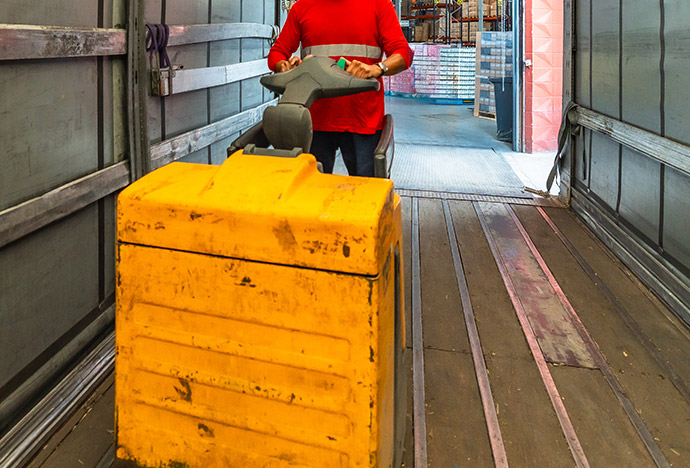
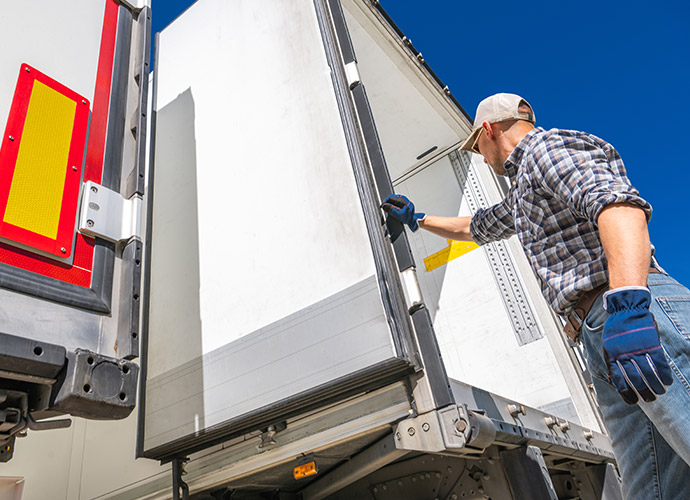
Another issue buyers should pay attention to is how freight moves in and out of the building. For perishable or temperature-sensitive goods, waiting around is expensive. The best operators tighten up appointment scheduling, receiving routines, staging windows, and trailer turns so product is not sitting in the wrong condition longer than necessary. That is where cross docking services in St. Louis can become a serious advantage, especially for businesses moving inventory through the market quickly or feeding multiple downstream destinations on a short timeline.
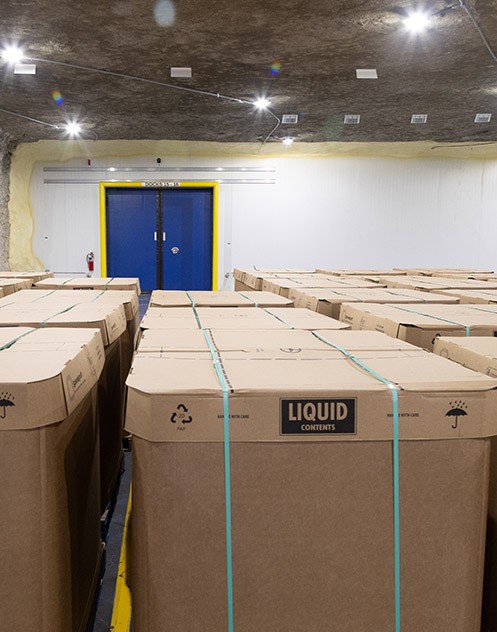
This is also where communication matters. Good temperature controlled warehousing solutions in St. Louis do not just move freight behind closed doors and send a receipt later. They flag shortages, overages, damaged product, and timing risks early enough for customers to act on them. That kind of visibility helps purchasing teams, operations managers, and transportation coordinators make better decisions before a small warehouse issue turns into a service failure.
Extra services can save more time than extra space
One of the easiest ways to tell whether a warehouse will actually support growth is to ask what happens beyond storage and shipping. Repacking, relabeling, inspection support, order customization, slip-sheeting, and other value-added services in St. Louis often make the difference between a partner that simply stores product and one that helps keep the whole network efficient. Those add-on tasks are not glamorous. But, they reduce touches, shorten lead times, and keep internal teams from patching together workarounds. That is especially useful for brands dealing with promotions, seasonal shifts, changing retailer requirements, or a mix of wholesale and retail accounts. A warehouse that can adapt without constant escalation gives a business room to grow. The point of temperature controlled warehousing solutions in St. Louis is not just to maintain a set temperature. It is to protect product quality while making everyday operations easier to manage.
What to ask before choosing a provider
A smart final step is to ask for specifics. How are temperatures tracked and documented? What happens when inbound freight is late? How often are inventory checks performed? Who handles urgent changes? Can the team support case picking, quick turns, and special handling without creating confusion on the floor? Clear answers usually tell you more than a polished capabilities sheet. For businesses in food and beverage, reliability tends to beat hype every time. The right warehouse partner is the one that can show steady process control, responsive communication, and enough operational depth to handle growth without losing accuracy. In a market like St. Louis, that combination is what turns warehousing from a cost center into a real advantage.
FAQs
How quickly can temperature controlled warehousing solutions in St. Louis be set up for a new customer?
It depends. If product profiles, storage requirements, and operating procedures are clear, onboarding can move fairly quickly. If there are multiple temperature zones, special compliance steps, or unusual handling rules, setup usually takes longer because the warehouse has to get the details right before product starts flowing.
Do all refrigerated warehouses offer tempering and case picking?
Usually not. Some facilities focus mostly on storage and full-pallet movement. Others are built to handle more active distribution work, which is why it helps to ask about daily order volume, mixed-case capability, and special handling before making a decision.
Is a bigger warehouse always the better choice?
Not necessarily. A larger footprint can help, but process discipline matters more. A smaller operation with stronger dock control, better communication, and cleaner inventory practices can outperform a larger facility that struggles with execution.
Reach out to us at Cold Solutions online, or call (913) 894-8444.
When refrigeration goes down, everything stops. Food. Product. Business. It’s stressful. We get that.

Whether it’s a walk-in cooler acting up or a system that just won’t hold temp, we’ve seen it before. And we know how to fix it.
If something’s not working the way it should, don’t wait. Call us or send a message. We’ll take it from there.





Leave A Comment
You must be logged in to post a comment.